Surprising Benefits of Winter Swimming, Ice Baths & Cold Therapy
Surprising Benefits of Winter Swimming, Ice Baths & Cold Therapy
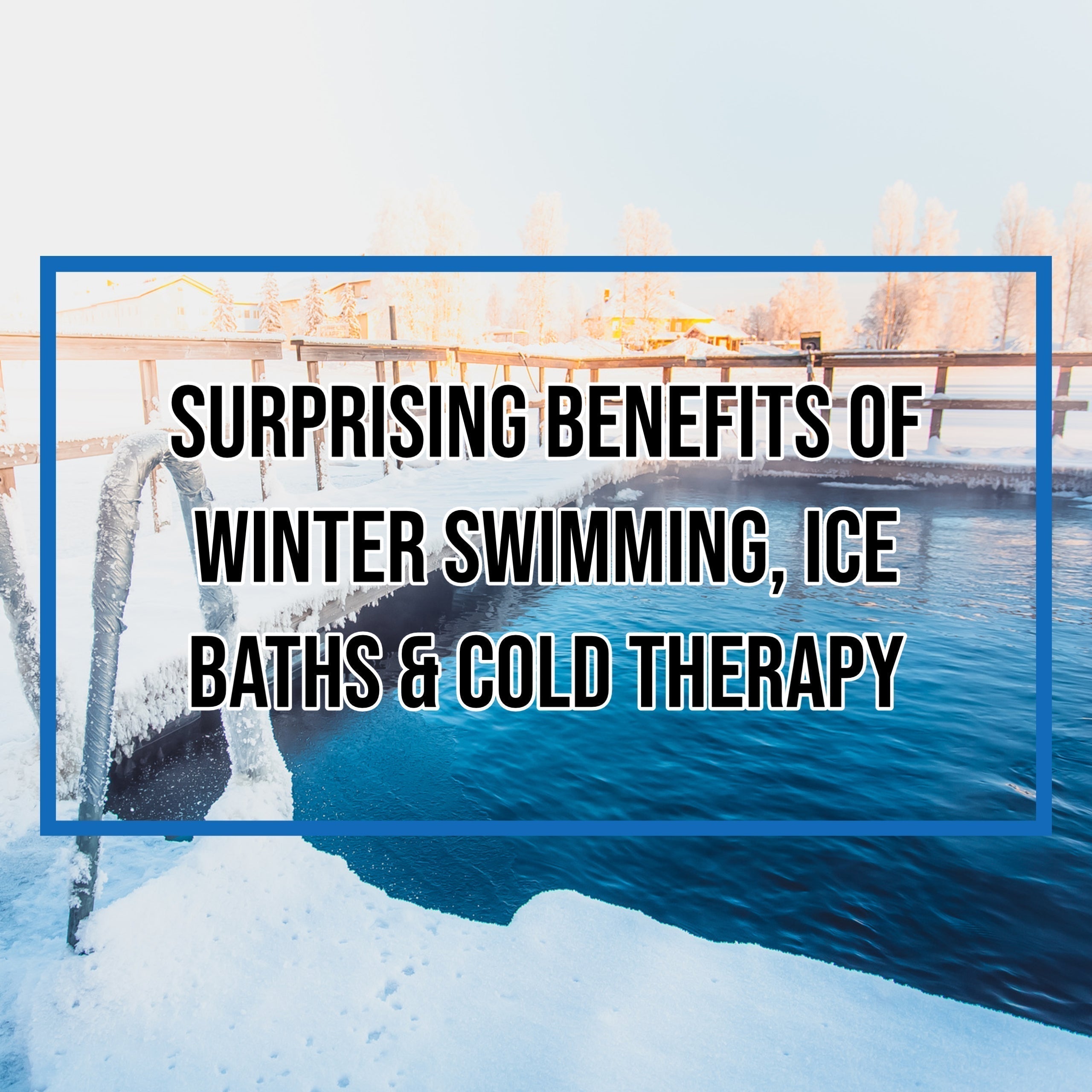
Ice baths, cold-water showers and winter swimming are becoming common topics in more and more households. Whether you are already in the cold water three times a week or in the sauna looking at the frozen people while thinking about whether it should be you, this article will give you the ins and outs of winter swimming, ice baths and cold water therapy. What happens when our bodies meet with ice-cold water? How does it affect our physical and mental health and the most important steps to take to ensure a safe winter swimming experience.
In Scandinavia, winter swimming is very common. As there are around 90 winter swimming clubs with more than 25000 members, you are bound to bump into keen winter swimmers of all ages when travelling to and around Scandinavia. Now many people around the world are following suit, and for good reasons.
Cold Water Therapy:
Winter swimming is a form of cold water therapy. In this category, you also find Ice baths and cold water showers. This article is relevant to all types of cold water therapies. Cold water therapy can positively affect our physical and mental health, though a deeper look at the research suggests it is not for all. Let’s look at what happens when we lower our bodies into cold water
Water Therapy:
It’s worth adding, the benefits of cold water immersion before going more in-depth. In general being around and in moving water offers lots of benefits. Whether it’s cold, warm, salty, steamy, copper bath, snowboarding, skiing, snow, ice, hydrotherapy, lakes, seas, waterfalls, or hot pools, water in all its shapes just works wonders, and each of the above mentioned offers different benefits. Staying hydrated gives us energy and supports good brain health. Drinking water, whether it’s lemon water, warm water, mineral water or infused water, is just great! So just to say, water is amazing and contributes to our overall physical and mental health already. A big shout out and gratitude to this epic and life depending element!
Community Feeling:
Another important aspect of winter swimming not to be overlooked is the fact that it’s most often practised in clubs or in groups, giving it a real in-person, live social aspect. Despite being in a digital connected world more and more people are feeling lonely. Loneliness is one of the leading causes of depression. Depression is serious as it can lead to lifelong sadness, lack of purpose and no joy. The happier we are is directly linked to the more purpose we feel, and plays a major role in our lifespan. Socialising feels more natural to some of us, though it’s important to all of us! Introverted or extroverted, we all need contact, hugs, love, encouragement and support from others. Winter swimmers are coming together to do something they enjoy, sharing moments, creating memories, smiling, laughing and connecting, combating depression.
Bring In Nature:
Last, but not least, winter swimming is done outside in nature, offering yet another great benefit. Connecting with nature, being outside in the fresh air, feeling the wind and sun on your skin. Even in the dark seasons, getting outside is a huge game changer and a way to combat winter depression. Looking forward to something winter has to offer, can really shift our perspective on the cold season.
Breath and Mindfulness:
Speaking of fresh air brings us to another life depending part of our existence: The Breath. Winter swimmers practise or learn over time to take control of their breath. Long deep breaths, when the body fights for short panic breaths, as the body begins to cool. Long exhales activates the body's "rest and digest" relaxation response. Winter swimmers are essentially doing breath work, drawing on the benefits of pranayama or breath work. This skill can then naturally be incorporated into other areas of our life where we encounter stress or pressure. So with that said, let’s take a look at what happens when we lower ourselves into the cold water.
What Happens When the Body Meets with the Cold Water:
Winter swimming, ice baths and cold showers are forms of shock therapy.
Cold Exposure and the Stress Response
Cold exposure triggers the body's sympathetic nervous system, activating the fight-or-flight response. This response is driven by a surge of stress hormones—cortisol, norepinephrine, and epinephrine (adrenaline)—which prepare the body to react to the cold stimulus.
- Cortisol: Released by the adrenal glands, it helps mobilise energy by increasing blood sugar levels and reducing inflammation.
- Norepinephrine: Acts as both a hormone and neurotransmitter, sharpening focus, increasing alertness, and enhancing circulation.
- Epinephrine (Adrenaline): Increases heart rate, dilates airways, and boosts glucose availability for immediate energy.
When exposed to cold water, blood vessels constrict (vasoconstriction) to preserve core temperature, directing blood flow toward vital organs. Simultaneously, brown adipose tissue (brown fat) is activated to generate heat, burning calories and increasing metabolism. This is one way to activating fight and flight mode momentarily. Scientists call this hormesis (an adaptive response of cells and organisms to moderate usually intermittent stress). Once you exit the cold, blood vessels dilate, boosting circulation, flushing out metabolic waste, and reducing inflammation for faster recovery (read more about inflammation and anti-inflammation lifestyle here)
Brown adipose tissue (brown fat) is activated by cold exposure to generate heat. Unlike regular fat, it burns calories through thermogenesis, increasing metabolism and improving cold tolerance. Once you exit the cold, blood vessels dilate, boosting circulation, flushing out metabolic waste, and reducing inflammation for faster recovery.
The Benefits of Short-Term Stress on the Body
Short-term stress, when applied in controlled bursts, can significantly enhance immune function, energy levels, and overall resilience. Stress that lasts between one to four days has been shown to stimulate the body’s defence mechanisms, improving immune response, increasing energy levels as short-term stress increases the production of essential hormones and neurotransmitters. One of the most powerful ways to introduce short-term stress is through ice baths, which trigger a cascade of physiological benefits, ensuring a surge of energy and heightened alertness.
How Cholesterol Converts to Stress Hormones
Cholesterol plays a crucial role in the body's stress response as it is the precursor to many hormones, including cortisol and norepinephrine. When the body experiences stress, cholesterol is converted into pregnenolone, the mother hormone that leads to the production of cortisol. Cortisol is vital for energy regulation and immune modulation, helping the body adapt to stressors effectively.
On a side-note, cholesterol can also be converted into sex hormones, oestrogen, progesterone and testosterone. Long term stress can therefore negatively impact us by reducing oestrogen, progesterone, and testosterone: When stress is prolonged, more cholesterol is directed toward cortisol production instead of sex hormones. This can lead to hormonal imbalances, affecting fertility, mood, metabolism, and muscle mass. Prolonged stress also increases insulin resistance. Chronic cortisol elevation disrupts blood sugar regulation, leading to weight gain and metabolic issues. Further on neurotransmitters become out of balance as cortisol disrupts serotonin and dopamine, contributing to anxiety, depression, and mood swings. Lastly long-term stress impacts norepinephrine, keeping the nervous system in a heightened state, which can lead to fatigue and burnout over time.
Short bursts of stress (like ice baths) can be beneficial, to improve immune function, decrease inflammation, improve blood circulation and up-regulate energy levels. Where as chronic stress continuously drains resources from hormone production, leading to fatigue, hormonal imbalances, and reduced resilience over time. Managing stress effectively helps preserve optimal hormone balance and overall health.
The Role of Norepinephrine and the Mind-Body Connection
Norepinephrine is a key player in the stress response, enhancing focus, increasing alertness, and mobilising the body’s energy reserves. However, a unique feature of norepinephrine is that it does not cross the blood-brain barrier. This means that while it is produced in the adrenal glands and within the spinal cord, its effects are largely peripheral rather than central. Because of this, it is possible for the body to be in a state of physiological stress—heightened alertness, increased heart rate, and improved metabolic activity—while the mind remains calm and composed. This separation between physical and mental stress is a key advantage of practices like ice baths, where the body undergoes a beneficial stress response without triggering overwhelming mental distress. Through knowledge of the benefits of ice-baths, you are able to lower mental stress while still reaping the benefits of short-term stress in the body. Use your breath to stay calm, prolong the exhale.
Harnessing Short-Term Stress for Optimal Health
By strategically exposing the body to short-term stressors such as cold exposure, we can enhance our resilience, boost energy, and strengthen immune defences. The ability to activate the body's stress response without overwhelming the mind creates a powerful tool for improving overall well-being. Ice baths, breathwork, and other controlled stress techniques allow us to train the body to handle stress more efficiently, leading to greater vitality and longevity.
How Cold and How Long Should You Stay?
You don’t need to stay in ice-cold water for long to reap the benefits. The optimal temperature for ice baths is typically around 10-15°C (50-59°F), and the recommended duration is anywhere from 2 to 5 minutes. Staying longer than this can cause the body to go into shock, and the recovery benefits start to plateau after about 3 minutes. The key is to challenge your body just enough to trigger these responses without overdoing it.
Cold water immersion is a powerful tool for recovery and overall health when practiced correctly. The physiological benefits, including improved circulation, reduced muscle soreness, and increased brown fat activation, can be achieved in short, controlled sessions.
Bonus Information:
According to Susanna Søberg, lead expert in cold exposure therapy, keeping your bedroom cool at night (ideally between 16-18°C) can help activate brown fat. As your body works to maintain its core temperature while you sleep, brown fat is stimulated to burn calories and generate heat. Regular exposure to cooler sleep environments can increase brown fat over time, improving metabolic health, enhancing fat-burning efficiency, and supporting weight management. It’s a simple yet effective way to support your body’s thermogenic processes while you rest.
Benefits of Winter Swimming, Ice Baths and Cold Water Exposure:
Euphoria:
The initial shock gives the body a feel-good experience, a so-to-speak "high" this is due to a surge of beta-endorphine homoens in the brain providing pain relief and giving a sense of euphoria.
Less Reactive to Stress:
Cross-Adaptation refers to becoming strong, calm or skilled in managing one vulnerability drawing that strength, calm or skill into different, non-related vulnerabilities. In other words, making you less reactive to the stress carried onto the body from being exposed to cold water can make you less reactive to stress carried onto your body and mind from other areas of your life (from work, relationships and so forth).
Improves Drive and Motivation:
Boost mood improves energy and attention span. As epinephrine and norepinephrine are produced in the body during cold-water exposure, a powerful and sudden amount of dopamine is released in the body as well. Dopamine is what gives us the feeling of drive and motivation and gives our mood a boost, and our energy and attention spans improve.
Improves Metabolic Health:
Norepinephrine switches on genes that stimulate mitochondria production in our fat tissue. Fat tissue with high levels of Mitochondria is more metabolic active meaning it burns energy at a faster rate.
Improves Longevity:
Optimising our metabolic health leads to better blood sugar control, lower cholesterol levels and better body fat distribution. Further, better metabolic health increases longevity genes (SIRT1 and cold-shock proteins) that turn on antioxidant production, supporting our immunity and lowering the risk of age-related diseases.
Building Willpower:
Another great benefit from winter swimming, ice baths and cold showers is the fact that you get to master your mind, rather than the mind mastering you. I am pretty sure there will not be a single time your mind is screaming "YES YES YES get me into that freezing water". But by you deciding and doing it, you are taking control of your mind, body and health!
Changes Your State:
Cold water therapy can quickly shift your state of mind. A quick dip in cold water triggers the release of hormones like norepinephrine and endorphins, helping to clear negative thoughts, reduce stress, and boost mental clarity. It’s a powerful reset that instantly sharpens your focus and lifts your energy, even when you're feeling off.
Help Reduce Inflammation:
Ice baths trigger vasoconstriction, reducing blood flow to inflamed areas. Once you exit the cold, blood flow returns with more oxygen and nutrients, helping to flush out toxins and reduce inflammation. This process can accelerate recovery and alleviate swelling in muscles and joints after intense physical activity.
Top 23 Benefits of Winter Swimming, Ice Bath and Cold-Water Exposure:
- Being in Nature: Being outdoors and connecting with nature has a proven, positive impact on mental wellbeing
- Exercise: Moving the body proves great for both physical health and mental health
- Increase Drive and Motivation
- Boost Mood and Energy Levels
- Improves Attention Span
- Strengthens Willpower
- Increase Metabolic Rates in Fat Tissue
- Supports Longevity and Health Span
- Becoming Less Reactive to Stress
- Improves Metabolic Health
- Better Blood Sugar Control
- Lower Cholesterol Levels
- Better Body Fat Distribution
- Supporting Our Immune System
- Lowering the Risk of Age-Related Diseases.
- Fostering a Sense of Community
- Prime You to Better Deal With Anxiety, Stress and Depression
- Reducing Stress
- Supports Healing From Depression
- Reduces Stress
- Prevents Depression
- Boost Self Esteem
- Mental Resilience
- Anti-Inflammation
Muscle Building and Cold Water Exposure:
Immediate exposure to cold water after HIIT improves muscle power and performance and reduces inflammation and soreness though the same benefits do not count when wanting to build muscle mass. Are you looking to build muscle mass, cold water exposure up to four hours after working out will hinder muscle mass. Make sure you separate those two practices (waiting 4 hours+ after your workout) if the goal is to build muscle mass.
Brown Fat Activation
When exposed to cold temperatures, the body activates brown fat to help keep the body warm. Ice baths trigger the activation of this brown fat, which can increase metabolism and support fat loss. Over time, regular cold exposure can help increase the amount of brown fat in the body, contributing to better overall fat-burning capabilities and a higher baseline metabolic rate.
This process is particularly beneficial for people looking to manage their weight and improve their metabolic health. The more brown fat you have, the more efficiently your body can burn calories to maintain its temperature in cold environments. In other words, ice baths don’t just “shock” your body; they also help enhance your ability to regulate temperature and improve metabolic function.
What is Brown Fat and Where is It Located?
Brown fat, or brown adipose tissue (BAT), is a special type of fat found in your body that burns energy to produce heat, rather than storing it like regular white fat. This process, known as thermogenesis, helps keep you warm in cold conditions.
Brown fat is primarily found in small amounts around the neck, shoulders, upper chest, and along the spine. It is most active in colder environments, where it helps to regulate body temperature by burning stored fat to generate warmth.
Unlike white fat, which can contribute to weight gain, brown fat is beneficial for metabolism and can help with fat loss and overall metabolic health. Cold exposure, like ice baths or winter swimming, has been shown to activate brown fat, which may aid in improving body composition and boosting metabolism.
Temperature Regulation and Health Benefits
Cold exposure, like ice baths, helps train the body’s ability to maintain a stable internal temperature, which is a crucial aspect of overall health. The body learns to adjust more efficiently to temperature fluctuations, improving circulation, boosting immune function, and enhancing recovery from exercise-induced inflammation.
By regularly engaging in ice baths, you're training your body to regulate its internal temperature more effectively. This process is not only beneficial for fat-burning but also helps the body maintain homeostasis (balance) in various environmental conditions. As a result, your body becomes more resilient to external temperature changes, enhancing your ability to handle stress and improve overall health (TIP: Set your bedroom temperature to 15 degrees celsius to support brown fat activation).
10 Tips for Winter Swimming & Ice-Baths:
- Find a safe spot: Make sure you can reach the bottom or a ladder. Ensure you can easily and safely exit the water. Ensure there's no current.
- Swim together: Being in cold water alone can be very dangerous. Always swim together, never swim alone.
- Keep your head above the water.
- Keep Feet warm: Bring swimming shoes or shoes to slip on when you get out of the water.
- Getting dressed and warm: Get your upper body warm first, that way you warm up quicker. Your body is still cooling down up til 30 minutes after the exposure.
- Begin in the summer: If new to winter bathing, begin in late summer and continue as the temperature of the water drops.
- Take your time when entering the water, never head dive in!
- Sauna: Swim somewhere where you can access a sauna afterwards, it feels great to get warm again plus sauna has many amazing benefits too.
- Check-in with your GP and your health advisor.
- Feel, breathe, notice and keep smart: Despite all the benefits, or whatever your friend might say you must and mustn't do, always listen in to yourself, your body and your mind. We are all different and there's not one fit all recipe for life.
Why You Might Want to Reconsider Ice Baths
While ice baths offer many recovery benefits, they might not be suitable for everyone, particularly if you're already under significant physical or emotional stress. It's important to weigh the potential negative effects, especially if your lifestyle or routine is already high-stress.Remember we want to use stress-response to our benefit, we do not want our body to be in a state of long-term stress.
Adding Stress to the Body
Cold exposure can trigger a "fight or flight" response in the body, increasing the production of stress hormones like cortisol and adrenaline. For many people, this is a temporary and beneficial response that helps with recovery and mental toughness. However, for those who are already dealing with chronic stress—whether from work, personal life, or intense physical activity—adding more stress can have detrimental effects.
If you're already experiencing high levels of stress (e.g., from work pressures, high-intensity workouts like HIIT, or intense sports), subjecting your body to the shock of an ice bath could exacerbate these stress levels. Instead of promoting relaxation and recovery, the cold exposure might add more stress to an already taxed system. In these cases, recovery modalities like sauna sessions, restorative yoga, deep breathing, or gentle stretching might be more appropriate. These approaches activate the parasympathetic nervous system and promote relaxation without further stressing the body.
Overuse Isn’t the Way Forward
While ice baths can be incredibly effective when used properly, overuse can have negative consequences. The ideal approach to ice bathing for optimal health and longevity is 2-3 times per week for 2-minute dips each session. This ensures that your body receives the recovery benefits without overwhelming the system. Cold exposure is not about continuously shocking your organs or forcing your body into an extreme state. Instead, it’s a way to challenge the mind, stimulate recovery, and promote fat-burning mechanisms.
If you’re using ice baths too frequently or for prolonged periods, you risk impairing recovery by pushing your body into a constant state of stress. The key is moderation—short, controlled exposures to cold are ideal for boosting overall health, mental clarity, and longevity.
Balancing Intensity with Recovery
While ice baths can be incredibly effective for reducing inflammation and speeding up physical recovery after intense training, they should be used strategically and not as a daily routine, especially if you're constantly pushing your limits. If you're combining intense workouts, high levels of stress, and ice baths regularly, you may be inadvertently putting your body into an even higher state of alertness. This can hinder recovery, impair sleep, and negatively affect long-term health.
For a more balanced approach, consider incorporating more restorative recovery methods into your routine, such as meditation, deep breathing exercises, or low-intensity activities that allow the body to repair itself without adding further stress. This will ensure you're supporting both your physical and mental health in a sustainable way.
How Ice Baths Affect Sleep and Heart Rate Variability (HRV)
Ice baths have become a popular method for enhancing recovery, but they also offer significant benefits for sleep quality and heart rate variability (HRV), two critical factors for overall health and well-being.
Improved Sleep Quality
Cold exposure, such as ice baths, can help improve sleep by promoting the body's natural cooling process. When you immerse your body in cold water, your core temperature drops. This cooling effect signals your body that it's time to relax and prepare for sleep. As your body warms back up after the bath, the cooling process encourages the release of melatonin, the hormone responsible for regulating sleep cycles.
Studies show that regular cold exposure can also improve the quality of deep sleep (slow-wave sleep), which is essential for tissue repair, immune function, and overall recovery. People who engage in ice baths often report feeling more rested and experiencing deeper, more restorative sleep.
Enhancement of Heart Rate Variability (HRV)
Heart rate variability (HRV) is a measure of the variation in time between each heartbeat, which reflects the balance between the sympathetic (fight or flight) and parasympathetic (rest and digest) nervous systems. Higher HRV is generally associated with better recovery, greater resilience to stress, and improved overall health.
Ice baths can help increase HRV by stimulating the parasympathetic nervous system. The shock of cold exposure initially activates the sympathetic nervous system, but as the body adjusts to the cold and begins to warm up, it shifts into a parasympathetic state, allowing for greater relaxation and improved autonomic function. This balance between the two systems helps promote recovery and reduces the overall stress load on the body.
Regular cold exposure, such as ice baths, has been shown to increase baseline HRV over time, suggesting improved cardiovascular function, stress resilience, and recovery from physical exertion.
How Ice Baths Decrease Resting Heart Rate (RHR)
Another significant benefit of ice baths is their potential to lower Resting Heart Rate (RHR), a key indicator of cardiovascular health and fitness. RHR is the number of times your heart beats per minute while you're at rest, and a lower RHR typically signifies a more efficient heart and a higher level of fitness.
When you immerse your body in ice-cold water, your body initially experiences a stress response that leads to vasoconstriction (narrowing of the blood vessels), increasing blood pressure temporarily. However, as the body adapts to the cold, it activates the parasympathetic nervous system, which is responsible for "rest and digest" functions. This activation helps relax the heart and promotes a slower, more efficient heartbeat.
Over time, regular cold exposure can improve the heart's efficiency, leading to a reduction in Resting Heart Rate. A lower RHR suggests that your cardiovascular system is functioning optimally and is able to pump blood more effectively with less effort, which is a sign of better overall health.
Athletes often use ice baths as part of their recovery routine to enhance heart health and improve performance by supporting the autonomic nervous system, promoting relaxation, and encouraging a more efficient heart rate response.
Cold Water Therapies:
Both ice baths and winter swimming are practices where your body is fully submerged in cold water up to your neck (head above water) whereas a cold shower is just letting the cold water run over your body.
How Long Do I Need To Stay In The Water:
The colder the water is, the less time you need to stay in. Work your way up to 60-120 seconds. Maximum of 3 minutes in water temperature 1-2 degrees celsius. Rather than working on staying in longer in one go, work on your weekly amount of time spent in the cold water (so if you had 3 ice baths during the week, one you were submerged for 1 minute, the next for 2 and the third for 1.5 minutes, your weekly duration will be 4.5 minutes).
According to Dr Huberman, the minimal effective dose on a weekly basis is 11 minutes. It is up to you how many ice baths you want to reach the 11 minutes. Huberman recommends two to four sessions a week with each session being between two and six minutes.
How Do I Begin:
If you are new to cold water therapy, go easy. Practice by swimming outdoors in summer and keep it going until winter, that way you let your body gets used to the cold water slowly. You can also practice at home by filling up a bathtub. Again ease your way into the practice. Begin with mildly cold. Bath after bath allow the water to be slightly cooler than the previous one. When it is as cold as you can get it, experiment with adding ice to it.
The Ideal Temperature:
The goal is to be uncomfortably cold. There is not a set temperature here, it is individual to you (and will change throughout your practice). Go for a temperature where you have to push through. Your brain will be wanting you to get out.
Stay cool and stay together, Remember Cold-Water therapy is a type of shock therapy, it is essential to have someone by your side, should you faint or cramp or need help to get out. :)
Sum Up: The Benefits of Ice Baths
Ice baths are more than just a recovery tool—they offer a range of health benefits for both the body and mind. Here’s a quick summary of the key benefits:
- Social Interaction: Ice baths can be a communal experience, making them a great opportunity for social bonding. Whether you're dipping with friends, teammates, or fellow wellness enthusiasts, the shared experience can promote connection and build a sense of community.
- Time in Nature: Many people choose to take ice baths outdoors, connecting with nature while benefiting from cold exposure. Nature provides a peaceful environment that enhances the overall experience, grounding you and offering a sense of calm.
- Time Outside: Taking an ice bath outdoors gives you the added advantage of fresh air and sunlight. Sunlight exposure helps boost vitamin D levels, while spending time outside in nature supports mental well-being and mindfulness.
- Time for Reflection (No Screens): Ice baths offer a unique opportunity to unplug and reflect. Without distractions from screens or external stimuli, you can focus on the present moment, meditate, or simply clear your mind. This time of reflection supports mental clarity and emotional balance.
- Improved Heart Rate Variability (HRV): Cold exposure activates the parasympathetic nervous system, leading to improved HRV over time. This is an indicator of better autonomic nervous system function, which can enhance recovery, stress resilience, and overall cardiovascular health.
- Decreased Resting Heart Rate (RHR): Regular ice baths can help lower your resting heart rate, reflecting improved cardiovascular efficiency and better overall health. A lower RHR indicates that your heart is working efficiently and can pump blood with less effort.
- Better Sleep Quality: Ice baths can improve sleep by aiding in the natural cooling process of the body, promoting deeper, more restorative sleep. This is particularly beneficial for recovery, hormone regulation, and overall health.
- Activation of Brown Fat: Cold exposure activates brown adipose tissue (brown fat), which burns energy to produce heat. This helps with fat loss, improves metabolism, and contributes to better temperature regulation and overall metabolic health.
-
Improved Circulation: The cold exposure causes blood vessels to constrict, followed by dilation once you warm up, which promotes better circulation and detoxification.
Ice baths, when used appropriately, offer a powerful way to recover physically, boost mental clarity, and support long-term health.
Loved Surprising Benefits of Winter Swimming, Ice Baths & Cold Therapy?
>>>>> Check out 7 Best Yoga Festivals in Europe to Check Out in 2023
>>>>> Check out 4 Best Sustainable Yoga Mats & 5 Materials To Avoid When Buying A Yoga Mat
>>>>> Check out Caroline's Yoga Mat Review
>>>>> Check out The Best Yoga Gifts
>>>>> Check out How To Meditate? A Beginners Guide To Meditation
>>>>> Check out Breathe Your Way Into a Deep Sleep
Sign up to our email list here and receive a free gratitude meditation!