The Anti-Inflammatory Diet
 Find your PDF for quick diet-references at the end of this article.
The Anti-Inflammatory Diet
What is Inflammation?
Inflammation is the body's natural response to injury, infection, or stress. It is an essential part of the immune system's defence mechanism. When acute, inflammation helps heal wounds and fight off harmful bacteria and viruses. However, chronic or low-grade inflammation can contribute to various health issues, including cancer, heart disease, diabetes, arthritis, and autoimmune disorders.
What is Low-Grade Inflammation?
Low-grade inflammation is a persistent, subtle form of inflammation that occurs throughout the body over time (systemic inflammation*) Unlike acute inflammation, which is short-term and beneficial, low-grade inflammation is ongoing and can cause damage to tissues, organs, and overall health. It is often silent, meaning you may not notice symptoms until it has contributed to a chronic condition.
*Systemic inflammation refers to widespread, low-level inflammation throughout the entire body, rather than being confined to one specific area or organ. Unlike acute inflammation, which occurs as a natural response to injury or infection and resolves once the issue is addressed, systemic inflammation is chronic and can persist over time.
It occurs when the immune system is constantly activated, often due to factors like poor diet, stress, lack of sleep, smoking, or obesity. Over time, this persistent inflammation can contribute to the development of various chronic diseases, such as cardiovascular disease, diabetes, arthritis, and even certain cancers.
Systemic inflammation is often subtle and can be difficult to detect, but it can manifest through symptoms like fatigue, joint pain, digestive issues, or even skin problems. Managing systemic inflammation through an anti-inflammatory diet, regular exercise, and stress management is key to reducing the risk of long-term health issues.
Why Is Inflammation Harmful?
Inflammation, when it becomes chronic, is harmful because it can lead to several long-term health issues.
1. Chronic Inflammation Damages Cells: Over time, persistent inflammation can damage healthy cells, tissues, and organs. This damage contributes to the development of various diseases.
2. Increases Risk of Chronic Diseases: Chronic inflammation is linked to the development of serious conditions such as heart disease, diabetes, Alzheimers, arthritis, and even cancer. It affects vital organs and accelerates the aging process.
3. Impaired Immune Function: While inflammation is part of the body's immune response, when it lingers, it can cause the immune system to attack healthy cells, leading to autoimmune diseases and other complications.
4. Disrupts Metabolism: Persistent inflammation can interfere with normal metabolic processes, leading to weight gain, insulin resistance, and an increased risk of metabolic syndrome.
5. Affects Mental Health: Inflammation has also been linked to mental health conditions like depression and anxiety, as it can affect brain function and neurotransmitter production.
What Increases Inflammation?
Several lifestyle factors contribute to increased inflammation, including:
Alcohol – Excessive alcohol consumption disrupts gut health, increases oxidative stress, and promotes inflammatory markers.
Smoking – Contains chemicals that trigger an immune response, damaging tissues and blood vessels.
Being Overweight – Fat cells release pro-inflammatory substances, particularly visceral fat around the organs.
Menopause – The decline in oestrogen increases inflammatory markers and raises the risk of metabolic disorders.
Diet – Certain foods fuel inflammation:
Sugar – Spikes insulin and promotes inflammatory cytokines.
Refined Carbohydrates – White bread, pasta, and processed snacks increase blood sugar levels and inflammation.
Industrial Seed Oils – Oils like soybean, sunflower, and corn oil are high in omega-6 fatty acids, which, when consumed in excess, promote inflammation.
Nut-Milks! - Think twice about swapping cows milk for oat, soy or even almond milk. If making them yourself at home, you are good to go, but the shop bought plant milks will spike blood sugar and be a factor in increased inflammation.
Processed Meats – Sausages, bacon, and deli meats contain harmful preservatives and advanced glycation end products (AGEs), which increase inflammation.
Stress – Chronic stress raises cortisol levels, which can increase systemic inflammation.
Disrupted Sleep – Poor sleep negatively impacts immune regulation and inflammatory responses.
Low Muscle Mass – Sarcopenia (muscle loss) contributes to inflammation and metabolic dysfunction.
Not Enough Exercise – Physical activity helps reduce inflammatory markers and improves immune function.
Low VO2 Max – A low cardiovascular fitness level is associated with higher inflammation levels and a greater risk of chronic disease.
Gluten and Inflammation
Gluten is a protein found in wheat, barley, and rye. While not everyone is sensitive to gluten, for those with gluten intolerance, celiac disease, or autoimmune conditions, gluten can trigger an inflammatory response. Even in those without diagnosed sensitivity, gluten-containing foods often come with refined carbohydrates, which can contribute to inflammation. Eliminating gluten from the diet may help reduce bloating, joint pain, and digestive issues.
Inflammation and Diabetes (Type 1, Type 2, and Type 3)
Chronic inflammation plays a crucial role in the development and progression of diabetes:
Type 1 Diabetes – An autoimmune condition where the immune system mistakenly attacks insulin-producing cells in the pancreas. Chronic inflammation contributes to the destruction of these cells, making insulin regulation difficult.
Type 2 Diabetes – Strongly linked to obesity and insulin resistance, chronic inflammation interferes with insulin signalling, leading to higher blood sugar levels and metabolic dysfunction.
Type 3 Diabetes (Alzheimer’s Disease) – Often referred to as insulin resistance in the brain, inflammation contributes to neurodegeneration, affecting memory, cognition, and brain function.
Following an anti-inflammatory diet helps regulate blood sugar levels, improves insulin sensitivity, and reduces the long-term risks associated with diabetes.
Inflammation, Perimenopause, and Menopause
As oestrogen levels decline during perimenopause (which can begin 7-10 years before menopause) and menopause, inflammation tends to increase. Oestrogen has natural anti-inflammatory properties, and its reduction can lead to:
- Increased joint pain and stiffness
- Higher risk of metabolic disorders like insulin resistance
- Increased cardiovascular risk due to systemic inflammation
- How to Combat Inflammation During Perimenopause and Menopause:
- Adopt an anti-inflammatory diet rich in whole foods, healthy fats, and lean proteins.
- Prioritise strength training to maintain muscle mass and bone density.
- Manage stress and improve sleep quality to regulate cortisol levels and reduce inflammation.
- Increase your Vo2 Max
- Inflammation and Lifestyle Factors
Inflammation and Water Retention During Menstrual Cycle
Check out this blog post to learn more and get totally clear on when to change into the anti-inflammation diet during your menstrual cycle.
Chronic inflammation is not just about diet—it is also influenced by lifestyle choices such as:
Chronic Stress – Long-term stress increases cortisol, which can drive inflammation and weaken immune function.
Lack of Sleep – Poor sleep disrupts the body's ability to repair and recover, increasing inflammatory markers.
Sedentary Lifestyle – Regular movement is essential to regulate inflammatory responses and promote circulation.
Muscle Loss (Sarcopenia) – Loss of muscle mass with age contributes to systemic inflammation, making strength training crucial for long-term health.
Not Enough Exercise – Regular exercise helps regulate immune function and reduce inflammation.
Low VO2 Max – Improving cardiovascular fitness reduces inflammation and enhances metabolic health.
Vitamin D Deficiency – Vitamin D is a powerful regulator of the immune system and plays a key role in reducing inflammation. Spending time in sunlight and consuming vitamin D-rich foods or supplements can help.
Magnesium Deficiency – Magnesium supports over 300 enzymatic processes in the body, including anti-inflammatory pathways. Foods rich in magnesium include leafy greens, nuts, seeds, and dark chocolate.
Summary – Why Avoid Low-Grade Inflammation?
Low-grade inflammation is a silent contributor to many chronic diseases, including heart disease, diabetes, arthritis, and cognitive decline. It accelerates ageing, weakens the immune system, and disrupts metabolic health.
What to Do to Reduce Inflammation:
- Follow an anti-inflammatory diet rich in whole foods, healthy fats, and lean protein.
- Avoid processed foods, refined sugars, industrial seed oils, and excessive alcohol.
- Exercise regularly – prioritise *strength training and cardiovascular fitness daily (60min/day).
- Improve sleep quality and manage stress effectively.
- Ensure optimal protein intake (1.6g per kg of body weight per day) to support muscle health.
- Stay active to maintain VO2 max and overall metabolic function.
- By making these lifestyle changes, you can reduce chronic inflammation, improve overall health, and support longevity.
Muscle & Inflammation
Muscle is not just for strength—it’s a powerful anti-inflammatory organ. When you build and maintain muscle mass, your body produces myokines—hormones that help lower chronic inflammation and improve overall health.
Key Hormones That Reduce Inflammation:
IL-6 (Interleukin-6) – When released by muscle during exercise, it acts as an anti-inflammatory and regulates metabolism.
Irisin – Linked to fat metabolism and reduced inflammation.
BDNF (Brain-Derived Neurotrophic Factor) – Supports brain health and helps combat neuroinflammation.
More muscle = better insulin sensitivity, lower systemic inflammation, and improved longevity. Strength training isn’t just about aesthetics—it’s one of the most effective ways to combat chronic disease and keep inflammation in check.
Foods that Increase Inflammation
Certain foods have been linked to increased inflammation in the body, contributing to a variety of chronic health issues such as heart disease, arthritis, and metabolic syndrome. Here are some of the key offenders:
Seed Oils: Vegetable oils like sunflower, canola, and soybean oil are high in omega-6 fatty acids, which, in excess, can promote inflammation.
Refined Sugar and Processed Sugars: High sugar consumption, especially refined sugar and high fructose corn syrup, can trigger the release of inflammatory chemicals in the body.
Gluten: In sensitive individuals, gluten (found in wheat, barley, and rye) can cause inflammation by triggering an immune response.
Refined Carbohydrates: Foods like white bread, pastries, and other highly processed carbohydrates cause spikes in blood sugar and insulin, which can promote inflammation.
*Trans Fats: Found in many processed snacks, fast food, and baked goods, trans fats increase inflammation and are harmful to heart health.
Processed Meats: Deli meats, sausages, and hot dogs often contain additives and preservatives that can increase inflammatory responses in the body.
Alcohol: Excessive alcohol consumption can trigger inflammation by disrupting the gut microbiome and immune function.
Introducing the Anti-Inflammatory Diet (Dr. Mark Hyman’s Approach)
Dr. Mark Hyman, a leader in functional medicine, advocates for an anti-inflammatory diet to help reduce chronic inflammation and its associated risks. His approach focuses on whole foods, nutrient density, and balancing the body's natural processes. Dr. Hyman recommends eliminating inflammatory foods (such as those listed above) and instead focusing on eating nutrient-dense, anti-inflammatory foods that support the body’s natural healing processes.
The diet is centred around fresh, whole, unprocessed foods. It promotes healthy fats, lean proteins, colourful vegetables, and high-fibre foods, all of which help combat oxidative stress and promote cellular repair.
What to Eat on an Anti-Inflammatory Diet
An anti-inflammatory diet focuses on reducing foods that cause inflammation while increasing foods that promote healing, balance, and optimal health. Here’s a breakdown of what to eat:
Fruits and Vegetables: Aim for a variety of colours, especially dark leafy greens (spinach, kale) and bright fruits (berries, oranges, tomatoes). These foods are rich in antioxidants, fibre, and polyphenols, which help reduce inflammation.
Healthy Fats: Include omega-3 fatty acids found in fatty fish (salmon, sardines), chia seeds, and flaxseeds. Use olive oil, avocado, and coconut oil for cooking.
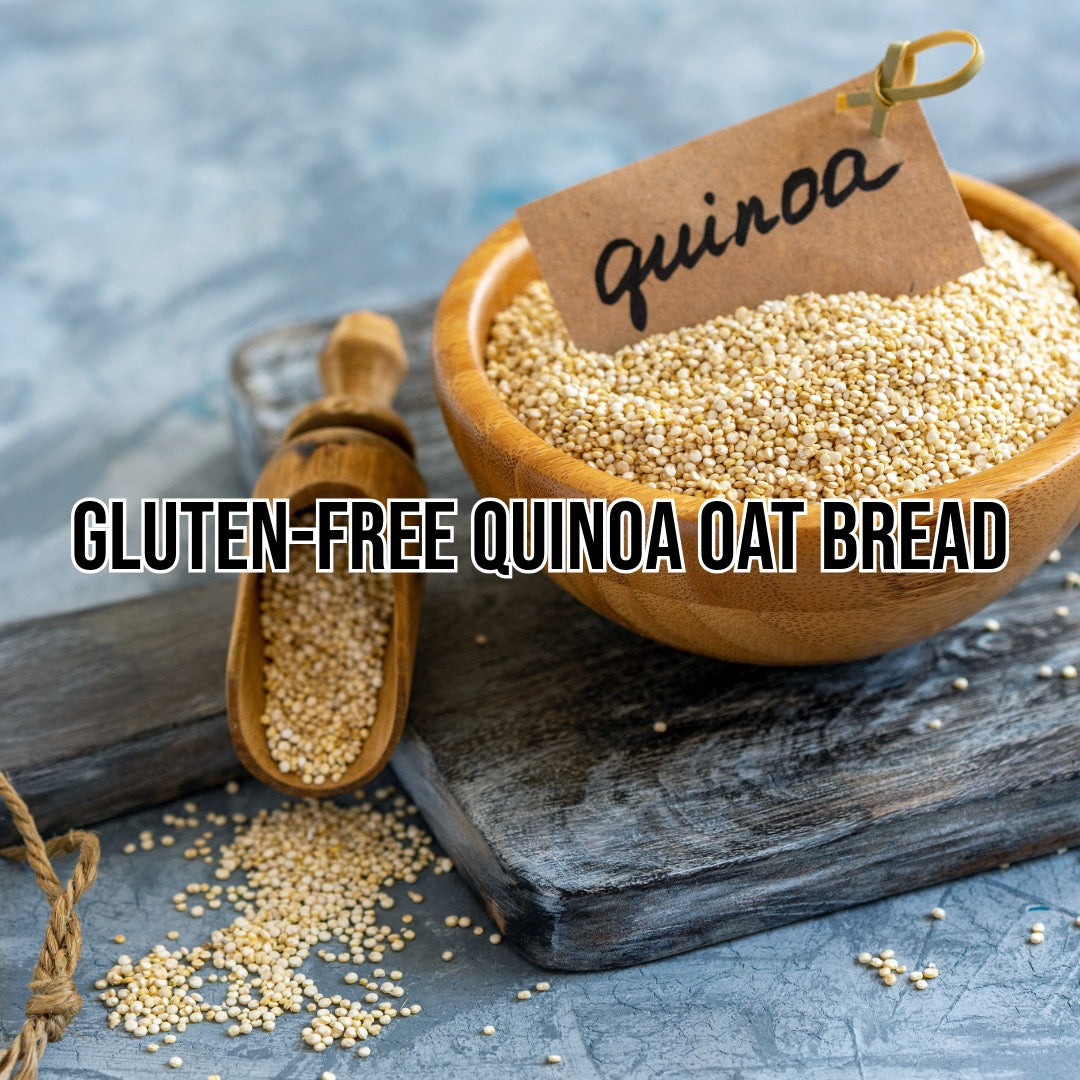
Whole Grains: Choose gluten-free grains like quinoa, brown rice, oats, and buckwheat, which provide slow-releasing energy and fibre.
Lean Proteins: Grass-fed meats, poultry, eggs and plant-based proteins like beans, tofu, tempeh, and lentils are great options (learn more on proteins here)
Herbs and Spices: Include anti-inflammatory spices like turmeric (curcumin), ginger, garlic, cinnamon, and cayenne pepper.
Nuts and Seeds: Walnuts, almonds, chia seeds, and flaxseeds are high in healthy fats and antioxidants that fight inflammation.
Fermented Foods: Incorporate gut-healthy fermented foods like sauerkraut, kimchi, kefir, and kombucha, which support a healthy gut microbiome and reduce inflammation.
An anti-inflammatory diet is beneficial not only for managing chronic diseases but also for supporting the body during recovery from injuries, surgeries, and conditions that involve inflammation. Starting an anti-inflammatory diet early can help reduce pain, accelerate healing, and improve overall outcomes.
Conditions and Injuries that Benefit from an Anti-Inflammatory Diet:
Post-Surgery Recovery: After any operation, the body experiences inflammation as part of the healing process. An anti-inflammatory diet can reduce swelling, pain, and the risk of complications by supporting immune function and tissue repair.
Concussions, PSC and Brain Injury, TBI: Inflammation in the brain after a concussion can prolong recovery and cause further damage. Anti-inflammatory foods, especially omega-3 fatty acids, antioxidants, and polyphenols, can help reduce brain inflammation and support brain health.
Frozen Shoulder: This condition involves inflammation of the shoulder joint, leading to pain and stiffness. An anti-inflammatory diet can help reduce joint inflammation, relieve discomfort, and improve range of motion during recovery.
Sprained Ankle: Acute injuries like sprains involve swelling and inflammation. Eating anti-inflammatory foods can reduce swelling and speed up recovery by supporting the repair of tissues.
Arthritis: Chronic conditions like osteoarthritis or rheumatoid arthritis involve long-term inflammation of the joints. Anti-inflammatory diets can reduce pain and slow the progression of joint damage.
Diabetes: Inflammation plays a significant role in the development and progression of type 2 diabetes. An anti-inflammatory diet helps improve insulin sensitivity and may reduce the risk of complications, such as cardiovascular disease and nerve damage, often associated with diabetes.
Chronic Inflammatory Diseases: Conditions like inflammatory bowel disease (IBD), autoimmune disorders, and cardiovascular diseases can benefit from an anti-inflammatory diet, which helps modulate the immune response and reduce flare-ups.
Who Needs an Anti-Inflammatory Diet?
People with Chronic Conditions: Those with conditions like arthritis, diabetes, or cardiovascular disease, which involve ongoing inflammation, can benefit from reducing inflammation through diet.
Athletes: High levels of physical activity, particularly intense exercise or training, can lead to inflammation. An anti-inflammatory diet can help reduce muscle soreness and support recovery.
People Recovering from Injury or Surgery: As mentioned, inflammation occurs naturally during the recovery process. An anti-inflammatory diet can help manage this and reduce the risk of complications, speeding up recovery.
Certain Stages of the Menstrual Cycle - See blog post for more info
Menopausal Women - As oestrogen production stops in the ovaries we are left with almost none female sex-hormones - which are also anti-inflammatory hormones. This leaves women in higher risk of anti-inflammatory diseases as well as cardiovascular diseases as oestrogen plays a crucial role in coronary artery health. Read more about menopause here.
By starting an anti-inflammatory diet early, you can help manage inflammation more effectively, promoting faster healing, reducing pain, and improving overall health outcomes.
______________________________________________________________________________________
Breakfast Suggestions
- Protein-Waffles: - Find Recipe Here
- Salmon and Avocado Scramble: Scrambled eggs (3 eggs, or egg whites for lower fat) with smoked or cooked salmon. Sliced avocado for healthy fats. Spinach sautéed with olive oil, garlic, and turmeric. A sprinkle of chia seeds or flaxseeds for added fibre and omega-3s
- Unsweetened Greek yogurt with Berries and Almonds: Mixed berries (blueberries, strawberries, raspberries) for antioxidants. A handful of almonds or walnuts for healthy fats and protein. A drizzle of honey or sprinkle of cinnamon for extra flavour
- Chia Pudding with Protein Powder - Chia seeds soaked overnight in homemade almond "milk" or pure coconut milk. Added vanilla or plant-based protein powder for extra protein. Topped with anti-inflammatory fruits like kiwi, papaya, and pomegranate. A sprinkle of cinnamon and hemp seeds for additional omega-3s
- Broccoli & Egg: Steam Broccoli, boil eggs. Serve with roasted pumpkin seeds, rocket and olive oil, soya sauce dressing.
Lunch Suggestions
- Grilled Chicken Salad with Turmeric Dressing: Grilled chicken breast (high-protein lean source). Mixed greens (spinach, kale, arugula) with cucumber, tomatoes, and red onions. Dressing: Olive oil and lemon-based dressing with turmeric and black pepper. A sprinkle of pumpkin seeds or sunflower seeds for crunch and additional nutrients.
- Quinoa and Lentil Bowl with Roasted Veggies: Cooked quinoa (rich in protein and fibre). Cooked lentils (high in plant-based protein). Roasted vegetables (such as sweet potatoes, broccoli, and cauliflower). A drizzle of tahini sauce for healthy fats and a dose of anti-inflammatory sesame seeds
- Salmon and Avocado Bowl: Grilled or baked salmon (rich in omega-3s and protein). Sliced avocado for healthy fats and anti-inflammatory benefits. Brown rice or cauliflower rice for fibre and slow-releasing carbs. A handful of leafy greens, topped with a squeeze of lemon
Dinner Suggestions
- Turmeric Chicken with Roasted Brussels Sprouts and Sweet Potatoes: Grilled or roasted chicken breast marinated with turmeric, garlic, ginger, and olive oil. Roasted Brussels sprouts with olive oil and garlic. Roasted sweet potatoes for a low-glycemic, fibre-rich carbohydrate. A side of leafy greens like kale or spinach for additional antioxidants.
- Grilled Shrimp with Quinoa and Steamed Broccoli: Grilled shrimp seasoned with garlic, lemon, and chili flakes. Cooked quinoa for plant-based protein and fibre. Steamed broccoli (rich in antioxidants and anti-inflammatory compounds). A side of avocado for healthy fats
- Grass-Fed Beef/Bison Stir-Fry with Vegetables and Brown Rice: Grass-fed beef (high in protein and omega-3s) stir-fried with garlic, ginger, and a touch of coconut oil. A variety of stir-fried vegetables (bell peppers, zucchini, onions, carrots). Served with brown rice or cauliflower rice for extra fibre. A sprinkle of sesame seeds for added omega-3s and healthy fats
These meals focus on high-quality protein sources, anti-inflammatory foods like omega-3-rich fish, leafy greens, turmeric, and healthy fats, while also ensuring the meals are balanced with complex carbohydrates and fibre for sustained energy.
Veg Breakfast
Tofu Scramble with Spinach and Turmeric: Firm tofu, crumbled and sautéed with turmeric, garlic, and olive oil. Spinach and bell peppers sautéed in olive oil for added nutrients. A sprinkle of chia seeds or flaxseeds for omega-3s. A side of avocado for healthy fats and anti-inflammatory benefits.
Tempeh and Veggie Stir-Fry with Eggs: Stir-fried tempeh with vegetables like broccoli, carrots, and mushrooms. A scrambled egg (or two) added to the stir-fry for extra protein. A drizzle of tamari or coconut aminos for flavour and umami. A sprinkle of sesame seeds or hemp seeds for added protein and omega-3s
Greek Yogurt with Smoked Salmon and Avocado: Unsweetened Greek yogurt (high in protein) or a homemade coconut yoghurt.
Veg Lunch
Tempeh Salad with Turmeric Dressing: Grilled tempeh for protein and a firm texture. Mixed greens (spinach, kale, arugula) with cucumber, tomatoes, and red onion. Olive oil and lemon-based dressing with turmeric, black pepper, and a touch of ginger. A sprinkle of sunflower seeds or pumpkin seeds for crunch and added nutrients
Tofu and Veggie Stir-Fry with Brown Rice: Tofu stir-fried with garlic, ginger, and a variety of veggies like bell peppers, zucchini, and onions. Brown rice for complex carbs and fibre. A sprinkle of sesame seeds or crushed peanuts for healthy fats and crunch
Crispy Seedy Bread - Recipe here. Add you favourite topping (hummus, sun-dried tomato spread, salat, tahini mayo, I have tons of ideas here).
Veg Dinner
Turmeric Lentil and Spinach Stew
Ingredients:
- 1 cup dried red lentils (rinsed)
- 2 cups spinach (fresh or frozen)
- 1 onion (chopped)
- 2 garlic cloves (minced)
- 1-inch piece of ginger (grated)
- 1 can (400g) diced tomatoes
- 1 tbsp turmeric
- 1 tsp cumin
- 1/2 tsp cinnamon
- 1 tbsp olive oil
- 4 cups vegetable broth
- Salt and pepper to taste
Instructions:
In a large pot, heat the olive oil over medium heat. Add the onion, garlic, and ginger, and sauté for 3-4 minutes until soft and fragrant.
Stir in the turmeric, cumin, and cinnamon, cooking for another minute.
Add the diced tomatoes, lentils, and vegetable broth. Bring to a boil, then reduce to a simmer and cook for 20-25 minutes, or until lentils are tender.
Add the spinach and stir until wilted. Season with salt and pepper to taste.
Serve warm, optionally with a side of gluten-free bread or brown rice.
Sweet Potato and Chickpea Buddha Bowl
Ingredients:
- 1 large sweet potato (peeled and cubed)
- 1 can (400g) chickpeas (drained and rinsed)
- 1 tbsp olive oil
- 1 tsp paprika
- 1 tsp cumin
- 1/2 tsp turmeric
- 2 cups kale (or spinach), chopped
- 1 avocado (sliced)
- 1 tbsp tahini
- 1 tbsp lemon juice
- Salt and pepper to taste
Instructions:
Preheat the oven to 200°C (400°F). Toss the cubed sweet potato and chickpeas with olive oil, paprika, cumin, turmeric, salt, and pepper. Spread them out on a baking sheet.
Roast for 20-25 minutes until the sweet potatoes are tender and the chickpeas are crispy.
While roasting, massage the kale with a little olive oil and lemon juice.
Once everything is cooked, assemble your bowl: place the kale at the bottom, top with the roasted sweet potato and chickpeas, and garnish with avocado slices.
Drizzle tahini over the top and serve.
Conclusion:
Cut out:
- Processed Foods
- Sugar
- Cigarettes
- Alcohol
- Gluten and Starch (Potatoes, Rice, Cereal, Pasta)
Up:
- One-Ingredients Whole Foods
- Lots of Vegetables (Broccoli, Spinach, Pumpkin, Cabbage)
- Bring in High Quality Proteins
- Exercise Daily (Strength, Cardio, Walking,Meditation, Breath-Work, Relaxation, Stretch)