Hypertension - How To Naturally Lower Your Blood Pressure

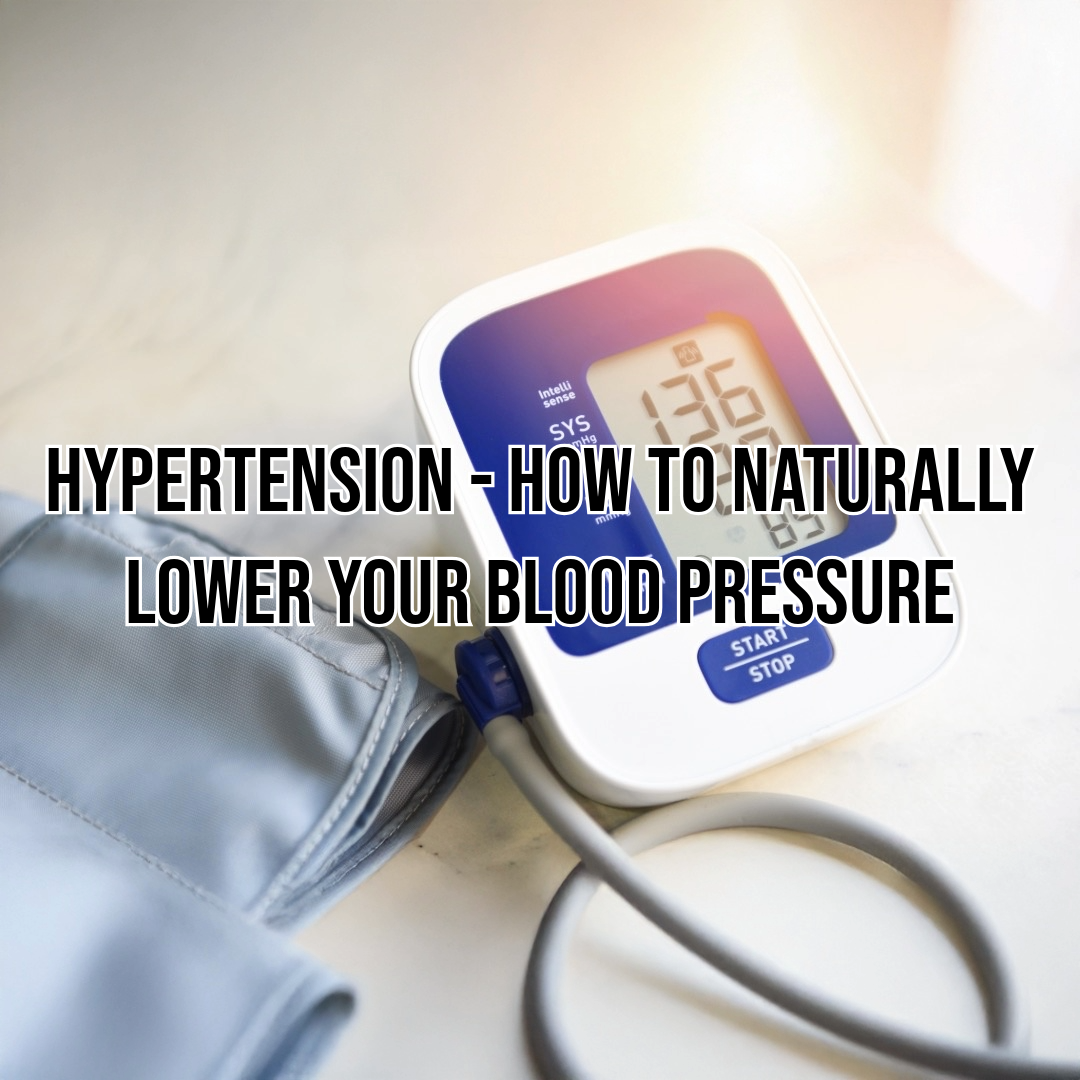
Hypertension - How To Naturally Lower Your Blood Pressure
Blood pressure is a critical indicator of heart health, reflecting the force of blood against the walls of your arteries. High blood pressure (hypertension) is a common condition that can increase the risk of heart disease, stroke, and kidney problems. While medication is often prescribed to manage hypertension, it typically masks the symptoms rather than addressing the underlying causes. In this blog post, we’ll explore natural ways to combat hypertension through lifestyle changes, focusing on
- Exercise,
- Sleep,
- Supplements,
- Diet,
- and the power of Breath work + Meditation,
- Relaxation to combat overthinking and stress.
For more breathing exercises and movement tips to help improve your health and combat high blood pressure, follow me on Instagram for daily inspiration and updates EliteBodyClinic.
IMPORTANT
Blood pressure naturally fluctuates throughout the day, rising during physical activity and falling during rest. While exercise temporarily increases blood pressure, research shows that regular movement lowers resting blood pressure over time, improving overall cardiovascular health. The goal is not to avoid high blood pressure during exercise—it’s a normal and necessary response—but rather to train the body to maintain a lower resting blood pressure when at ease. By consistently engaging in physical activity, we strengthen the heart, improve circulation, and support long-term blood pressure regulation.
What is Blood Pressure?
Blood pressure is the force that blood exerts on the walls of the arteries as it circulates through the body. It is measured in two values:
• Systolic pressure: The higher value, it measures the pressure in the arteries when the heart beats and pumps out blood. This is the first number or the number above, shown in your blood pressure test.
• Diastolic pressure: The lower value, it measures the pressure when the heart rests between beats. This is number you see last and is below the systolic.
Actually your blood pressure has many different values, constantly changing, but the numbers you see in a bloodpressure measurements are the highest and the lowest throughout the cycle.
The difference between systolic and diastolic pressure (known as the pulse pressure) is important because it indicates the amount of force the heart needs to exert to pump blood and is a good indicator of arterial health.
Resting vs. Active Blood Pressure: What’s the Difference?
Blood pressure isn’t a fixed number—it naturally fluctuates throughout the day depending on your activity level.
Resting Blood Pressure
Also known as baseline blood pressure, this is the reading taken when you are calm, seated, and at rest. It reflects how efficiently your heart pumps blood when the body is not under immediate physical stress. A normal resting blood pressure is typically around 110/70 mmHg, but individual variations exist.
Active Blood Pressure
During exercise or physical activity, blood pressure rises to meet the increased demand for oxygen and nutrients in the muscles. The systolic pressure (top number) can significantly increase, sometimes reaching 160-200 mmHg in healthy individuals, while diastolic pressure (bottom number) remains relatively stable or may drop slightly due to blood vessel dilation.
For most people, blood pressure should return to its resting state within a few minutes after activity. However, if it remains elevated or drops too low, it may indicate an underlying issue that requires further attention.
Role of Blood Pressure in Circulation
Blood pressure is crucial for ensuring the effective circulation of blood throughout the body, allowing oxygen, nutrients, and waste products to be transported to and from tissues and cells. High blood pressure (hypertension) can strain the heart and damage blood vessels, while low blood pressure (hypotension) can lead to poor organ perfusion and fainting.
How the Arteries Work
Arteries are blood vessels that carry oxygenated blood away from the heart and to the whole body. The pressure exerted on these arteries by the heart’s pumping action creates blood pressure. This pressure is necessary for the proper exchange of nutrients and gases at the capillary level, where blood is brought into close proximity with tissues. We will come back to the arteries a little later to understand what happens when we get high blood pressure/hypertension.
Importance of the Kidneys
The kidneys help regulate blood pressure by controlling the volume of blood (through fluid balance) and the constriction of blood vessels. They also produce hormones that control sodium retention, which can influence blood pressure. Proper kidney function is essential to prevent the development of hypertension. Further the kidneys play a crucial role in the RASS too:
RASS: How Your Body Controls Blood Pressure
The Renin-Angiotensin-Aldosterone System (RASS) plays a key role in regulating blood pressure by controlling blood vessel constriction and fluid balance.
- Renin Release: When blood pressure drops, the kidneys release renin, an enzyme that triggers a chain reaction.
- Angiotensin I & II: Renin converts angiotensinogen (produced by the liver) into angiotensin I, which is then converted into angiotensin II by the angiotensin-converting enzyme (ACE) in the lungs.
- Vasoconstriction & Aldosterone Release: Angiotensin II is a potent vasoconstrictor, narrowing the arteries and increasing blood pressure. It also stimulates the adrenal glands to release aldosterone, which signals the kidneys to retain sodium and water, further increasing blood volume and pressure.
In contrast, when blood pressure is too high, the body reduces RASS activity, allowing blood vessels to dilate, decreasing resistance and lowering blood pressure.
Ideal Blood Pressure
• Normal resting blood pressure: 120/80 mmHg (systolic/diastolic)
• Optimal resting blood pressure is generally considered around 110/70 mmHg.
• Hypertension is diagnosed when blood pressure exceeds 140/90 mmHg. But Even at 120/80mmHg we can begin to consider how to maintain a healthy blood pressure to avoid cascade of issues later on.
Risks of Hypertension
Hypertension is a significant risk factor for many serious conditions, including:
- Cardiovascular disease
- Stroke
- Kidney failure
- Heart attack
- Dementia
- Vision loss
Causes of Hypertension
- Hypertension can be caused by multiple factors, including:
- Insulin resistance and poor diet
- Oxidative stress and inflammation
- Heavy metal exposure
- Sleep apnea
- Nutrient deficiencies (especially magnesium and omega-3)
- Obesity
- Lack of physical activity
- Disturbance in the sodium and potassium relation. Excess sodium intake from processed foods
Essential vs. Secondary Hypertension & The Role of Arteries in Blood Pressure
Hypertension (high blood pressure) is one of the most significant risk factors for heart disease and stroke. It can be classified into two main types: essential hypertension and secondary hypertension. Understanding these types, along with how arteries influence blood pressure, is crucial for managing and preventing complications.
Essential vs. Secondary Hypertension
Essential Hypertension (Primary Hypertension)
Essential hypertension is the most common type, accounting for 90-95% of cases. It develops gradually over time due to a combination of lifestyle, and environmental factors.
Causes & Risk Factors:
- Ageing – Blood vessels naturally lose flexibility over time
- Poor diet – High sodium, low potassium intake
- Lack of exercise – Reduced cardiovascular efficiency
- Obesity & insulin resistance – Increased strain on blood vessels
- Chronic stress – Elevated cortisol levels affecting blood pressure regulation
Since essential hypertension has no single cause, it requires long-term management through lifestyle changes,.
Secondary Hypertension
Secondary hypertension is less common but has a specific, identifiable cause. It often appears suddenly and can lead to extremely high blood pressure.
Common Causes:
- Kidney disease – Impaired fluid and electrolyte balance
- Hormonal imbalances – Overactive adrenal glands (e.g. Cushing’s syndrome)
- Obstructive sleep apnoea – Repeated oxygen deprivation causing blood pressure spikes
- Medication side effects – Birth control pills, decongestants, NSAIDs, steroids
- Arterial narrowing – Renal artery stenosis restricting kidney blood supply
Unlike essential hypertension, secondary hypertension can often be reversed if the underlying cause is treated.
Blood Pressure and White Coat Syndrome
White Coat Syndrome (or White Coat Hypertension) refers to a temporary spike in blood pressure when measured in a medical setting, often due to stress or anxiety. People with this condition do not have consistently high blood pressure, but their readings at the doctor’s office may suggest otherwise.
Causes of White Coat Syndrome
- Anxiety in medical settings – Many people feel nervous when visiting a doctor, which can trigger a stress response.
- Overactivation of the sympathetic nervous system – This leads to increased heart rate and vasoconstriction (narrowing of blood vessels), temporarily raising blood pressure.
- Previous negative experiences – A history of illness, high readings, or medical procedures can contribute to stress-related spikes.
How to Differentiate White Coat Syndrome from Hypertension
- Home Monitoring: Blood pressure should be measured in a relaxed environment at home using a reliable cuff.
- Ambulatory Monitoring: A 24-hour blood pressure monitor can track fluctuations throughout the day to determine if high readings occur only in clinical settings.
- Multiple Office Visits: If blood pressure is consistently high only at the doctor’s office but normal elsewhere, it’s likely White Coat Syndrome.
How to Reduce White Coat Hypertension
✅ Practice Deep Breathing – Slow diaphragmatic breathing before and during the appointment can help lower stress responses.
✅ Use the ‘Water’ Breath – A slow inhale and exhale through the nose at a controlled pace can help regulate blood pressure.
✅ Arrive Early & Relax – Give yourself time before your appointment to sit quietly and avoid rushing.
✅ Distract Yourself – Listening to calming music or focusing on a positive thought can help reduce stress.
✅ Monitor at Home – Keeping a log of home blood pressure readings can provide a more accurate picture of your true blood pressure levels.
✅ Regular Exercise & Stress Management – Over time, yoga, breathwork, and cardiovascular exercise can help regulate blood pressure responses to stress.
For more breathing exercises and movement tips to help improve your health and combat high blood pressure, follow me on Instagram for daily inspiration and updates EliteBodyClinic.
The Role of Arteries in Blood Pressure
As mentioned, arteries play a critical role in maintaining healthy blood pressure. They are responsible for delivering oxygen-rich blood from the heart to the rest of the body. The flexibility and diameter of arteries determine how much resistance blood encounters as it flows.
How Arteries Become Stiff (Arterial Stiffness)
Healthy arteries are elastic and flexible, allowing them to expand and contract as needed. However, arterial stiffnessdevelops when they lose this elasticity, making it harder for blood to flow efficiently.
Causes of Arterial Stiffness:
- Ageing – Natural loss of elastin and collagen in artery walls
- High blood pressure – Chronic pressure damages arterial lining
- Atherosclerosis – Buildup of plaque (cholesterol, fat, calcium) narrows arteries
- Chronic inflammation – Leads to vascular damage and stiffness
- Diabetes – High blood sugar damages arterial walls
- Smoking & excessive alcohol – Promotes oxidative stress and arterial damage
How Stiff Arteries Increase Blood Pressure
When arteries become stiff and rigid, they cannot expand properly. This leads to:
- Increased resistance – The heart has to work harder to push blood through narrow, inflexible arteries.
- Higher systolic blood pressure – The top number in a BP reading rises because the heart exerts more force.
- Reduced blood flow – Organs and tissues receive less oxygen and nutrients.
This increased workload on the heart can lead to left ventricular hypertrophy (thickening of the heart muscle), heart failure, and a higher risk of strokes.
Can we reverse damage to the arteries?
Yes! Absolutely. The list below is extensive with things that you can do to lower your blood pressure. You will already know what area is most important for you to focus on, whether it's diet, exercise or stress reduction or sleep improvement. This is an easy list to make, you need to take the step to make these things beneficial. Ready? Let's go.
How to Manage and Lower Blood Pressure
To manage hypertension and improve blood pressure, consider the following steps:
1. Dietary changes: Focus on improving the sodium-potassium balance by cutting out processed foods and increasing potassium-rich foods (e.g., bananas, spinach, avocado, broccoli, squash).
- Increase omega-3 intake, calcium, and fiber-rich foods like nuts, seeds, and root vegetables.
- Consider supplementing with lmagnesium, omega-3, potassium, and B vitamins, CO-Q10 - See more details below for how to take, how much and when.
2. Exercise: Regular physical activity can help reduce blood pressure by improving cardiovascular health and promoting vascular health and giving the kidneys an ideal environment, as we move we are not only exercising our skeletal muscles but also our smooth muscles around our organs as well as our organs.
3. Stress reduction:
- Practice breathwork (deep breathing exercises) to manage sympathetic nervous system activity.
- Engage in yin yoga, meditation, breath-work or other relaxation techniques.
- Reduce caffeine intake.
4. Sleep:
- Maintain a regular sleep schedule.
- Regulate melatonin by getting 20 minutes of natural daylight in the morning and avoiding blue light in the evening.
- Make sure the sleep environment is quiet, dark, and cool (around 18°C).
5. Lifestyle changes:
- Reduce alcohol and smoking.
- Stay hydrated and avoid eating right before bed.
- Consider a 10-day detox diet that removes gluten, refined sugar, and processed foods and continue on the The DASH diet (Dietary Approaches to Stop Hypertension) is the most commonly recommended diet for high blood pressure.
- Avoid exercising too close to bedtime.
6. Supplements:
- Magnesium can help regulate blood pressure and improve sleep quality.
- Ashwagandha may reduce stress and support blood pressure regulation.
- CoQ10 may also improve cardiovascular health.
Managing blood pressure effectively requires daily consistency in these habits. By adopting a healthy lifestyle that includes proper diet, exercise, stress management, and adequate sleep, you can significantly impact your blood pressure and overall cardiovascular health.
The DASH Diet: A Natural Approach to Lowering Blood Pressure
The DASH diet (Dietary Approaches to Stop Hypertension) is one of the most effective dietary strategies for reducing blood pressure naturally. Developed by researchers, this diet focuses on nutrient-rich, whole foods that support cardiovascular health while limiting sodium and processed foods.
Key Principles of the DASH Diet
The DASH diet is designed to:
✔ Reduce sodium intake to help regulate blood pressure
✔ Increase potassium, magnesium, and calcium to balance fluids and relax blood vessels
✔ Promote heart-healthy eating habits through whole, unprocessed foods
✔ Support weight management, which plays a key role in hypertension control
What NOT to Eat on the DASH Diet
To effectively manage blood pressure, it’s essential to limit or avoid foods high in sodium, unhealthy fats, and added sugars. These foods contribute to water retention, inflammation, and arterial stiffness, all of which increase blood pressure.
Avoid or Limit:
High-Sodium Foods:
- Processed meats (bacon, ham, sausages, deli meats)
- Canned soups and vegetables (unless low-sodium)
- Fast food and restaurant meals
- Salty snacks (crisps, salted nuts, pretzels)
- Pickled and fermented foods (olives, pickles, soy sauce)
Saturated and Trans Fats:
- Fatty cuts of red meat (ribeye, pork belly, sausages)
- Fried foods (chips, fried chicken)
- Processed snacks (store-bought pastries, biscuits)
- Butter, margarine, lard
Refined Carbohydrates and Sugary Foods:
- Sugary drinks (soft drinks, fruit juices with added sugar)
- Sweets and desserts (cakes, chocolates, ice cream)
- White bread, white pasta, and refined cereals
Alcohol and Caffeine (in Excess):
- Excessive alcohol consumption can raise blood pressure
- Too much caffeine may cause temporary spikes in blood pressure
What to Eat on the DASH Diet
The DASH diet emphasises whole, nutrient-dense foods that help lower blood pressure naturally. These foods are rich in potassium, magnesium, calcium, and fibre, which work together to relax blood vessels, reduce sodium’s effects, and support heart health.
Best Foods to Include:
Fruits (Rich in Potassium & Antioxidants)
- Bananas
- Oranges
- Apples
- Berries (blueberries, strawberries, raspberries)
- Grapes
- Peaches
- Mangoes
- Watermelon
- Papaya
Vegetables (High in Magnesium & Fibre)
- Spinach
- Kale
- Broccoli
- Carrots
- Sweet potatoes
- Pumpkin
- Bell peppers
- Tomatoes
- Courgettes
- Beetroot (rich in nitrates that help dilate blood vessels)
Whole Grains (Fibre & Magnesium)
- Brown rice
- Quinoa
- Oats
- Whole wheat bread & pasta
- Barley
- Buckwheat
Nuts, Seeds & Legumes (Protein & Healthy Fats)
- Almonds
- Walnuts
- Flaxseeds
- Chia seeds
- Lentils
- Chickpeas
- Black beans
- Kidney beans
Lean Proteins (Supports Muscle & Heart Health)
- Skinless poultry (chicken, turkey)
- Fish rich in omega-3 (salmon, mackerel, sardines, tuna)
- Tofu & tempeh
- Eggs (in moderation)
Healthy Fats (Support Heart & Blood Vessel Function)
- Olive oil
- Avocados
- Nuts & seeds (as mentioned above)
Hydration Matters:
Water is key for maintaining proper blood pressure levels. Herbal teas (chamomile, hibiscus, green tea) may also support heart health.
For more breathing exercises and movement tips to help improve your health and combat high blood pressure, follow me on Instagram for daily inspiration and updates EliteBodyClinic.
The TOP Supplements for Lowering Blood Pressure
1. Coenzyme Q10 (CoQ10)
Why it’s good:
- Helps improve endothelial function and vasodilation (relaxation of blood vessels).
- Acts as an antioxidant, reducing oxidative stress and inflammation that contribute to high blood pressure.
- Supports energy production in cells, particularly in the heart.
How to take it:
- Dosage: 100–200 mg per day (split into two doses if taking the higher amount).
- Form: Ubiquinol (better absorbed)
- Best time to take: With a meal that contains fat for better absorption (typically in the morning or with lunch).
2. Magnesium
Why it’s good:
- Helps relax blood vessels, reducing resistance and lowering blood pressure.
- Plays a role in balancing electrolytes, which prevents excessive sodium retention.
- Supports heart rhythm and muscle function.
How to take it:
- Dosage: 200–400 mg per day.
- Form: Magnesium glycinate (gentle on digestion), magnesium citrate (good for absorption but may have a laxative effect), or magnesium taurate (good for cardiovascular support).
- Best time to take: In the evening, as it promotes relaxation and better sleep.
3. Omega-3 Fatty Acids (Fish Oil)
Why it’s good:
- Reduces inflammation and arterial stiffness.
- Helps lower triglycerides and improves overall heart health.
- Enhances nitric oxide production, which supports blood vessel dilation.
How to take it:
- Dosage: 1,000–3,000 mg of combined EPA and DHA per day.
- Form: Fish oil capsules or liquid (ensure purity and no heavy metals).
- Best time to take: With meals to enhance absorption.
4. Ashwagandha
Why it’s good:
- Adaptogen that lowers stress and cortisol, which can contribute to high blood pressure.
- Has anti-inflammatory and vasodilatory effects.
- May improve heart rate variability and overall cardiovascular function.
How to take it:
- Dosage: 300–600 mg per day (standardized extract).
- Form: Capsule, powder, or tincture.
- Best time to take: In the evening, as it helps with relaxation and sleep.
5. Potassium
Why it’s good:
- Counteracts the effects of sodium, helping to lower blood pressure.
- Helps regulate fluid balance and muscle contractions, including the heart.
How to take it:
- Dosage: 2,500–3,000 mg per day (from diet and supplements).
- Form: Potassium citrate, potassium chloride, or potassium bicarbonate.
- Best time to take: With meals. Avoid supplementing in high doses unless directed by a doctor.
6. L-Arginine & L-Citrulline
Why they’re good:
- Precursor to nitric oxide, which helps relax and widen blood vessels.
- Supports better circulation and heart health.
How to take them:
- Dosage: L-Arginine (3–6 g per day), L-Citrulline (1–3 g per day).
- Form: Powder or capsules.
- Best time to take: Before exercise or in the morning.
7. Beetroot Extract or Beet Juice
Why it’s good:
- High in nitrates, which convert to nitric oxide and improve blood flow.
- Reduces systolic and diastolic blood pressure naturally.
How to take it:
- Dosage: 250–500 ml of beet juice or 500–1,000 mg of beetroot extract per day.
- Best time to take: 2–3 hours before exercise or in the morning.
8. Hawthorn Berry
Why it’s good:
- Supports heart function by improving circulation and reducing blood pressure.
- Acts as a natural vasodilator and antioxidant.
How to take it:
- Dosage: 300–600 mg per day.
- Form: Capsule, tincture, or tea.
- Best time to take: With meals, ideally in the morning or early afternoon.
9. Garlic Extract
Why it’s good:
- Contains allicin, which helps dilate blood vessels and lower blood pressure.
- Has mild blood-thinning properties that improve circulation.
How to take it:
- Dosage: 600–1,200 mg per day of aged garlic extract.
- Best time to take: With meals.
10. Vitamin D
Why it’s good:
- Plays a role in blood pressure regulation and heart health.
- Deficiency is linked to higher blood pressure.
How to take it:
- Dosage: 1,000–4,000 IU per day.
- Best time to take: In the morning with food that contains fat.
Breath & Blood Pressure: The Science Behind Breathing and Cardiovascular Health
Breathing is a powerful, underutilised tool for regulating blood pressure. The way we breathe impacts vascular tone, nervous system balance, and oxygen delivery.
Why Nose Breathing Matters: Nitric Oxide & Blood Pressure
Breathing through the nose stimulates nitric oxide (NO) production in the nasal cavity. NO is a natural vasodilator, meaning it relaxes blood vessels, reducing resistance and lowering blood pressure.
✔ Nose breathing – Increases NO levels, enhancing circulation. ✔ Slow breathing – Activates the parasympathetic nervous system, reducing stress. ✔ Deep breathing – Improves oxygen uptake and cellular efficiency.
Mouth breathing, in contrast, leads to shallow, rapid breathing, contributing to stress and higher blood pressure.
The Breath & The Limbic System: How Emotions Affect Blood Pressure
The limbic system regulates emotions, stress, and fear—key factors influencing blood pressure.
Chronic Stress & Blood Pressure:
- Activates the sympathetic nervous system (fight or flight).
- Increases cortisol & adrenaline, which constrict blood vessels.
- Causes shallow, rapid breathing → Less oxygen, more tension.
Breath as a Tool for Emotional Regulation:
✔ Diaphragmatic breathing – Reduces heart rate & stress response.
✔ Extended exhalation breathing – Signals safety to the brain.
✔ Coherent breathing (5-6 breaths per minute) – Optimises heart rate variability (HRV).
How to Dilate Blood Vessels (Lower Blood Pressure)
✔ Slow, deep breathing – Increases nitric oxide production.
✔ Diaphragmatic breathing – Expands the lower lungs for better circulation.
✔ Nasal breathing – Ensures optimal NO levels.
✔ Extended exhalation (2:1 ratio) – Stimulates the vagus nerve, lowering BP. ✔ Box breathing (4-4-4-4 count) – Calms the nervous system.
Optimising Sleep, Stress & Recovery for Blood Pressure Control
✔ Keep the bed for sleep & sex only → Prevents stress association.
✔ Avoid blue light before bed → Blue light disrupts melatonin & raises cortisol.
✔ Use blue light-blocking glasses → Helps maintain melatonin levels.
✔ Cool, dark bedroom → Enhances cardiovascular recovery.
✔ Consistent sleep schedule → Aligns with circadian rhythm.
Daily Routine to Lower Blood Pressure
Wake Up - Exercise, Hydration, and Sun Exposure
- Wake up early, ideally around sunrise. Start your day with 20-30 minutes of outdoor exercise such as walking, yoga, or cycling. Aim for sunlight exposure to regulate your circadian rhythm and get a natural boost of vitamin D
- Hydration: Start your morning with a big glass of water. Hydration is key to healthy blood pressure.
Before Lunch - Water Breath Exercise and Yoga Nidra
- Water Breath: Spend a few minutes practicing Water Breath.
- Inhale deeply for 4 seconds.
- Exhale slowly for 4 seconds.
- Repeat for 3-5 rounds to calm your nervous system and improve blood circulation.
- Yoga Nidra (optional): A short Yoga Nidra session helps to deeply relax and reduce stress, which can benefit blood pressure regulation. Even 10-15 minutes can help prepare your mind and body for the rest of the day.
Lunch - Remember your CO-Q10 supplement
- Post Lunch Quick Movement: do 15 squats or 10 push-ups to get your blood flowing and keep your muscles active.
Afternoon - Walk and Relaxation
- Afternoon Walk: Take a 15-30 minute brisk walk to keep your blood circulating and manage stress. Walking after meals can also aid digestion.
Dinner and Supplements
- Dinner: Enjoy a nutritious, balanced dinner with foods that promote heart health and support healthy blood pressure. Include lean protein, healthy fats, and plenty of vegetables.
- Supplements: Take your evening supplements, including magnesium and aswagandha, to support relaxation and recovery overnight.
Breathwork - Square Breathing or Breathe to Relax
- After dinner, engage in a Square Breath or Breathe to Relax:
- Square Breathing: Inhale for 4 seconds, hold for 4 seconds, exhale for 4 seconds, and hold for 4 seconds. Repeat for 3-5 rounds.
- Breathe to Relax: Inhale for 4 seconds, then exhale slowly for 8 seconds. This helps to trigger the relaxation response and lower stress levels.
Meditation and Relaxation
- After breathwork, practice meditation or relaxation techniques for 10-15 minutes to calm your mind and reduce stress before bedtime. Consider using Yoga Nidra or a guided sleep meditation.
- Blue Light Protection: If you plan to watch TV or use your phone in the evening, wear blue light-blocking glasses to minimize exposure to light that can interfere with sleep.
Intermittent Fasting and Sleep
- Intermittent Fasting: Aim for a 12-16 hour fasting window (e.g., finish eating dinner by 7 PM and wait until 7-9 AM the next day to eat). This promotes metabolic health and may help lower blood pressure.
- Sleep: Ensure you get 7-9 hours of quality sleep each night to support heart health and maintain healthy blood pressure levels.
For more breathing exercises and movement tips to help improve your health and combat high blood pressure, follow me on Instagram for daily inspiration and updates EliteBodyClinic
_____________________________________________________________________
Psoas and Kidney Connection
The psoas muscle and kidneys share a significant connection in the body, not only anatomically but also functionally. The psoas, often referred to as the body’s “fight or flight” muscle, is located deep within the abdomen, connecting the lower spine to the femur. Its role in movement, posture, and even emotional stress is well-known, but less often discussed is how it impacts the kidneys, which sit just behind it, on either side of the spine.
1. Physical Connection:
The psoas is in close proximity to the kidneys and can have a direct influence on their function. The muscle is involved in the movement of the pelvis and lower back, which indirectly impacts the kidneys’ position. Tension in the psoas can create pressure on the kidneys, potentially impairing their ability to filter and process waste effectively.
2. Stress and Kidney Function:
Emotional and physical stress can cause the psoas to tighten. Chronic stress, in particular, leads to the continuous engagement of the psoas, which can affect kidney function. Prolonged stress triggers the sympathetic nervous system, which impacts the Renin-Angiotensin-Aldosterone System (RAAS), a key mechanism for regulating blood pressure and fluid balance. This system directly involves the kidneys, and when the psoas is tense, it can exacerbate kidney dysfunction, leading to elevated blood pressure.
3. Blood Flow and Detoxification:
The psoas is also responsible for facilitating movement in the lower body, which encourages blood circulation and fluid movement. If the psoas is restricted, this may hinder proper circulation to the kidneys, affecting their ability to filter toxins and balance fluids. Ensuring a relaxed and flexible psoas allows for optimal kidney function and supports detoxification and waste elimination.
The Importance of Walking for Lowering Blood Pressure and Stimulating Kidneys
Walking is one of the most effective and accessible forms of exercise for improving cardiovascular health, stimulating kidney function, and lowering blood pressure. Here’s how it works:
1. Kidney Stimulation:
Regular walking helps stimulate the kidneys by improving circulation, which enhances their ability to filter waste and regulate fluid and electrolyte balance. It supports the renal blood flow, reducing the workload on the kidneys. This increased circulation also helps to stimulate the lymphatic system, further aiding in detoxification. Consistent walking encourages the kidneys to function optimally, preventing fluid retention and maintaining healthy blood pressure.
2. Blood Pressure Regulation:
Walking for 30 to 60 minutes daily can significantly help to lower systolic and diastolic blood pressure. It works by promoting heart health, improving circulation, and helping the body respond better to physical stress. Walking helps regulate the autonomic nervous system, reducing sympathetic tone (which raises blood pressure) and enhancing parasympathetic activity (which helps the body relax and lowers blood pressure).
3. Lowering Stress:
Walking also reduces the body’s production of stress hormones like cortisol, which, when elevated over time, can negatively affect kidney function and blood pressure. Regular walking helps to balance hormone levels, easing tension in the body (including the psoas) and promoting overall well-being. This reduction in stress contributes to better kidney function and blood pressure regulation.
4. The Full Body Benefits:
Walking isn’t just great for your heart and kidneys – it’s also fantastic for your muscles and joints, encouraging mobility and flexibility. As a weight-bearing exercise, walking engages the legs and core muscles, promoting the relaxation and release of tension in the psoas and other muscles that may contribute to tension in the kidneys.
5. Preventing Systemic Failure:
The kidneys are vital organs, playing a critical role in the production of red blood cells, fluid balance, and the regulation of electrolytes and minerals. When kidney function deteriorates, the body struggles to maintain homeostasis, leading to a cascade of issues including elevated blood pressure, poor circulation, and even organ failure. Walking helps prevent the decline of kidney function and preserves the kidneys’ ability to support the cardiovascular system. If the kidneys fail, the entire system struggles, and complications arise across multiple systems.
In Conclusion:
Incorporating regular walking into your daily routine—aiming for 30-60 minutes per day—is an excellent way to stimulate kidney function, improve blood pressure, and promote overall health. Not only does walking relieve tension in the psoas, but it also improves blood flow, supports kidney function, and helps lower stress levels, which ultimately contributes to better long-term health. By making walking a daily habit, you significantly reduce the risk of hypertension and its associated complications, while enhancing kidney health and the body’s overall balance.
Strength Training, Muscle Growth, and Its Connection to Hypertension
Strength training, or resistance training, involves exercises that build muscle mass by working against resistance. This type of exercise is not only important for improving muscle strength but also plays a significant role in managing and reducing hypertension. Here’s how muscle growth and strength training are connected to blood pressure regulation:
1. Muscle Mass and Blood Pressure
• Increased Muscle Mass: When you engage in regular strength training, you increase muscle mass. Larger muscles demand more blood flow, which requires efficient circulation. As your muscle mass grows, the cardiovascular system adapts by improving the efficiency of your heart and blood vessels, leading to better regulation of blood pressure.
• Lower Resting Blood Pressure: Studies have shown that people who engage in regular resistance training often experience lower resting blood pressure. Strength training improves vascular health by enhancing the elasticity of blood vessels, allowing them to dilate more easily and accommodate increased blood flow. This helps to prevent the narrowing of the blood vessels that often leads to hypertension.
2. Improved Vascular Health
• Strength training helps to improve the endothelial function, which is the ability of blood vessels to dilate and contract properly. With consistent training, your blood vessels become more efficient, reducing the resistance the heart has to overcome to pump blood through the body. This reduced vascular resistance helps lower blood pressure.
• Increased Nitric Oxide Production: Regular strength training enhances the production of nitric oxide, a molecule that helps relax and widen blood vessels. This not only reduces blood pressure but also improves overall vascular health and enhances circulation, benefiting both the muscles and the organs, including the kidneys.
3. Insulin Sensitivity and Hypertension
• Strength training helps improve insulin sensitivity, which has a direct effect on blood pressure regulation. Insulin resistance is often linked to high blood pressure, as it contributes to fluid retention and inflammation. By building muscle and improving metabolic health, strength training can help prevent or mitigate insulin resistance, ultimately supporting healthy blood pressure levels.
• Insulin resistance is a common precursor to metabolic syndrome, which significantly increases the risk of developing hypertension. Strength training reduces the risk by improving how the body processes glucose and fat, promoting healthy weight management and reducing abdominal fat, a key contributor to high blood pressure.
4. Sympathetic Nervous System and Stress Reduction
• Chronic stress and overactivation of the sympathetic nervous system (the “fight or flight” system) are major contributors to hypertension. Strength training has been shown to help balance the autonomic nervous system, reducing sympathetic activity and enhancing parasympathetic (rest and digest) activity. This helps to reduce the body’s overall stress load and lower blood pressure.
• Additionally, strength training provides an outlet for stress. By engaging in regular resistance exercises, the body becomes better equipped to manage daily physical and emotional stressors, which reduces the negative impact of stress on the cardiovascular system.
5. Weight Loss and Hypertension
• Strength training is a key component of any effective weight loss strategy. By increasing muscle mass, the body burns more calories at rest, even when not actively working out. This increase in metabolism helps with fat loss, especially in the abdominal region, which is known to contribute to high blood pressure.
• Even modest weight loss (around 5-10% of body weight) has been shown to significantly lower blood pressure, and strength training is one of the most effective ways to achieve and maintain a healthy weight.
6. Long-Term Hypertension Management
• For individuals with existing hypertension, strength training can be an effective long-term strategy for managing and lowering blood pressure. Regular resistance exercise can lead to consistent reductions in both systolic and diastolic blood pressure. Unlike medication, which only addresses symptoms, strength training works to address the underlying causes of high blood pressure by improving muscle health, vascular function, and metabolic processes.
• It’s important to note that while strength training is beneficial for blood pressure regulation, it should be combined with other lifestyle changes, such as a balanced diet, adequate sleep, and stress management techniques, to achieve the best results in hypertension management.
7. Practical Recommendations
• To benefit from strength training for hypertension, aim for 2-3 resistance training sessions per week that target all major muscle groups. This can include weight lifting, bodyweight exercises, or resistance band workouts. Aim for a moderate intensity, gradually increasing resistance as you build strength.
• Incorporate cardiovascular exercise (like walking, swimming, or cycling) alongside strength training to maximize cardiovascular health and blood pressure regulation.
• Consistency is key. Strength training should be part of a regular exercise routine for optimal blood pressure management. Over time, the benefits on muscle mass, metabolism, and vascular health will contribute to sustained reductions in blood pressure.
Conclusion:
Strength training plays a vital role in improving muscle mass, vascular health, and metabolic function, all of which contribute to the regulation of blood pressure. By increasing muscle mass, enhancing blood vessel function, reducing insulin resistance, and promoting stress relief, strength training serves as a powerful tool in preventing and managing hypertension. It not only supports cardiovascular health but also improves overall well-being, making it a critical component of a healthy lifestyle for those looking to lower their blood pressure.
For more breathing exercises and movement tips to help improve your health and combat high blood pressure, follow me on Instagram for daily inspiration and updates EliteBodyClinic.